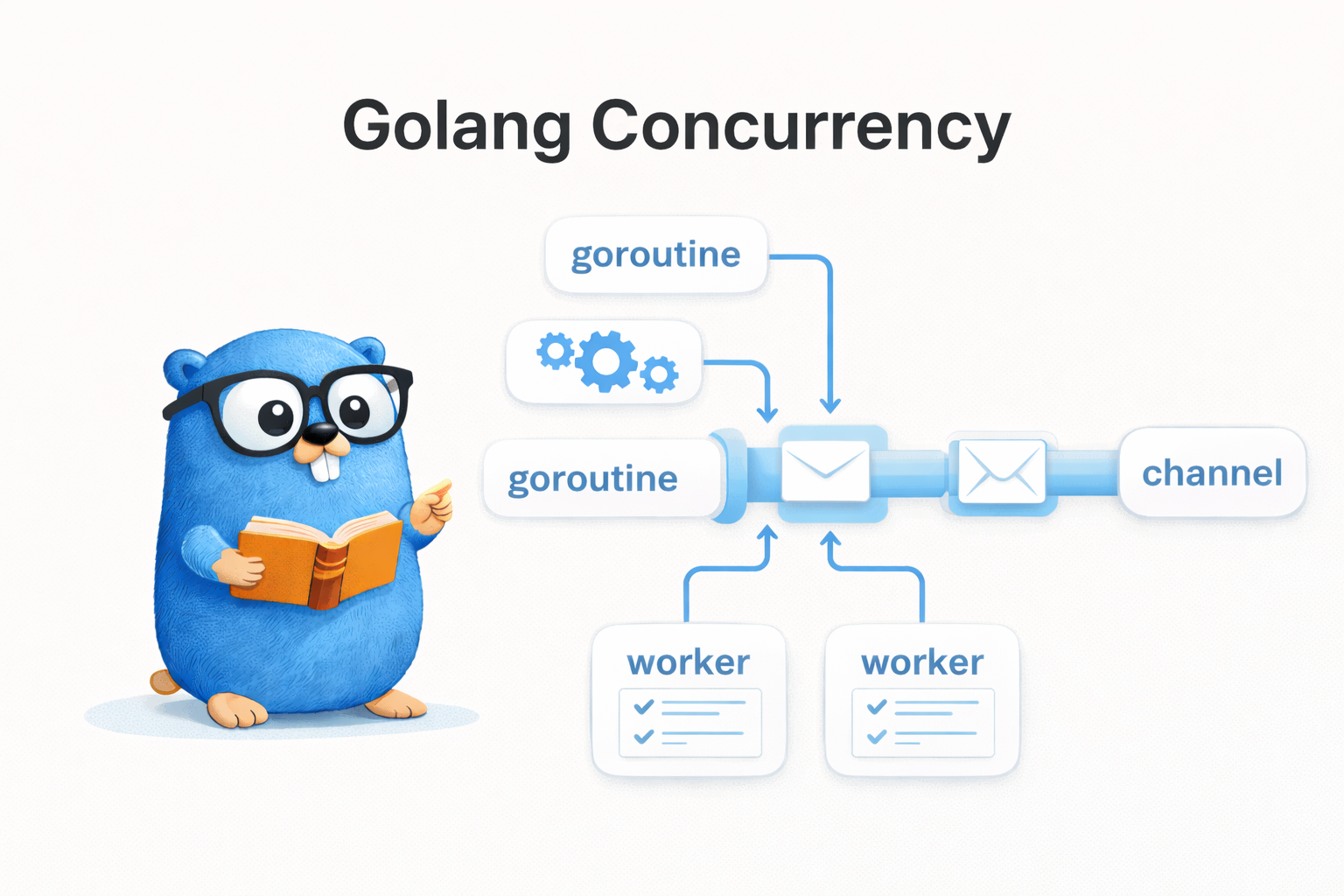
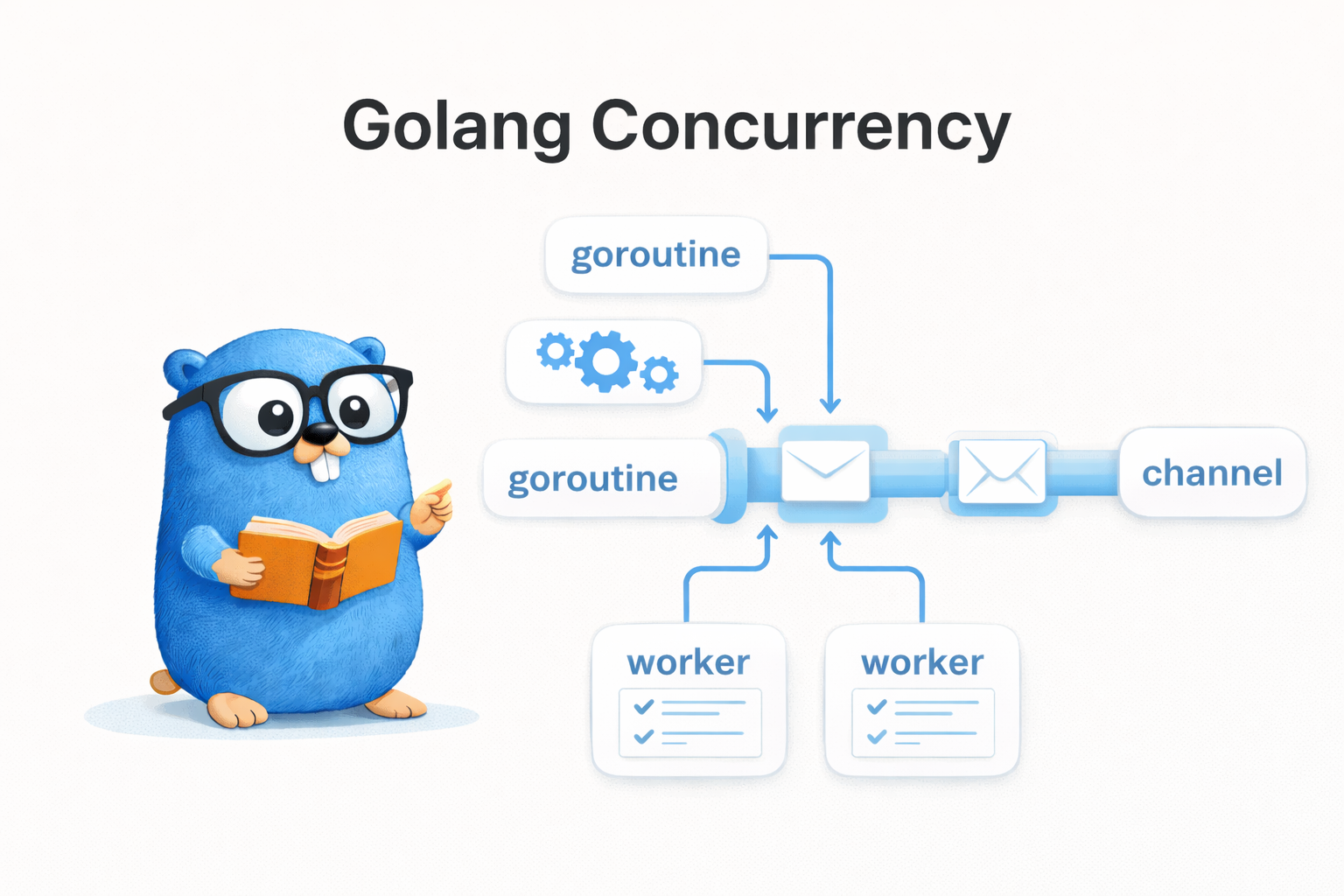
Go에서 여러 goroutine을 다루다 보면 자연스럽게 마주치는 문제가 있다. "이 goroutine을 언제 멈춰야 하지?", "요청이 3초 안에 끝나지 않으면 어떻게 하지?", "요청 ID를 하위 함수까지 어떻게 전달하지?" 이 모든 질문에 대한 답이 바로 context 패키지다.
1. 서론 - context 패키지가 필요한 이유
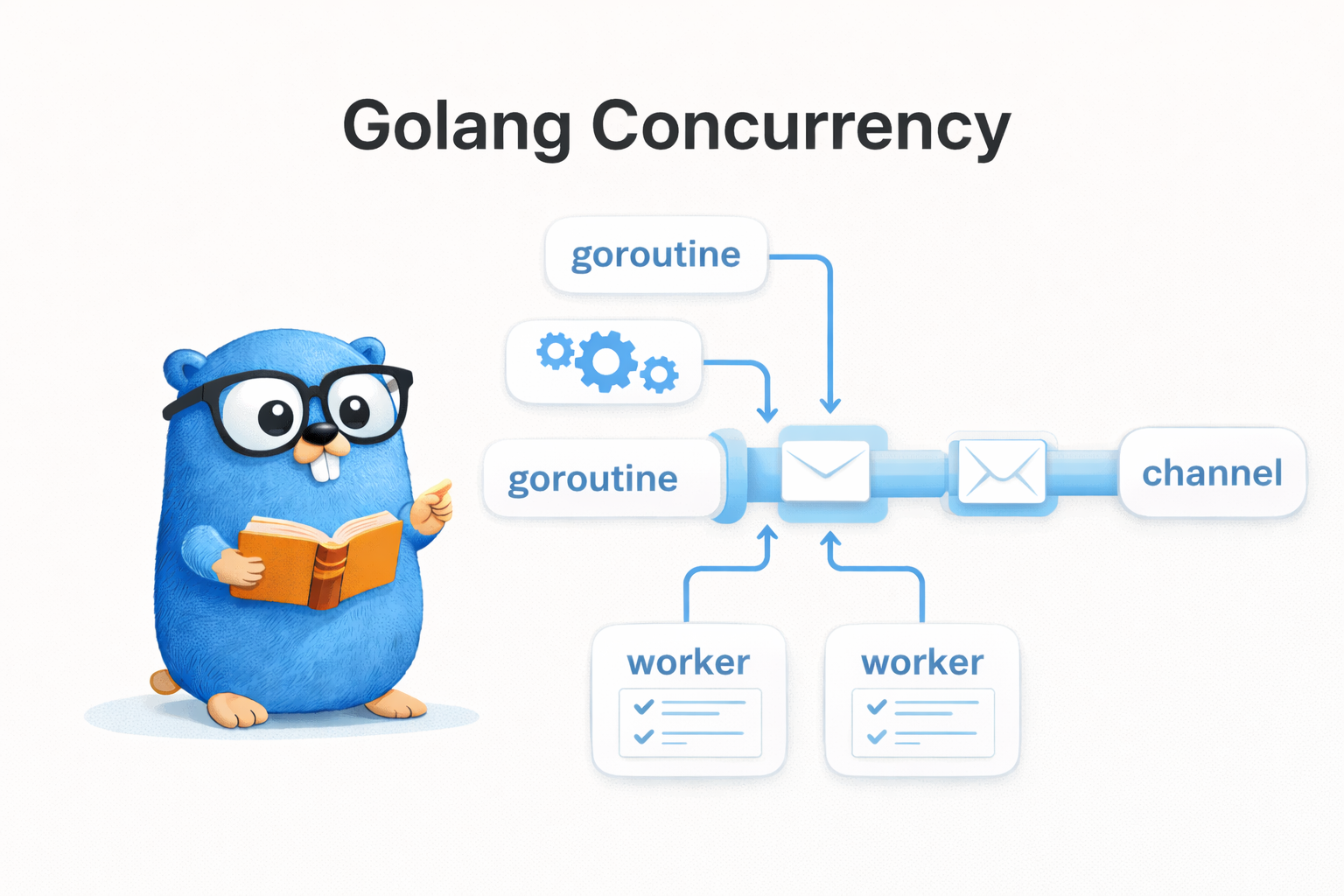
서버가 HTTP 요청을 처리할 때, 하나의 요청이 여러 goroutine으로 분산되어 처리되는 것은 흔한 일이다. 이때 세 가지 핵심 요구사항이 생긴다.
- goroutine 취소: 클라이언트가 연결을 끊으면 관련 goroutine을 모두 정리해야 한다
- timeout 관리: 외부 API 호출이나 DB 쿼리에 시간 제한을 걸어야 한다
- 요청 범위 값 전달: 요청 ID, 인증 정보 등을 함수 체인을 따라 전달해야 한다
context 패키지는 이 세 가지를 하나의 인터페이스로 통합한다.
type Context interface {
    Deadline() (deadline time.Time, ok bool)
    Done() <-chan struct{}
    Err() error
    Value(key any) any
}
Done(): context가 취소되거나 만료되면 닫히는 channel을 반환한다Err(): Done channel이 닫힌 이유를 반환한다 (Canceled또는DeadlineExceeded)Deadline(): 만료 시간을 반환한다Value(): context에 저장된 값을 조회한다
2. context.Background()와 context.TODO()
모든 context 트리의 루트가 되는 두 가지 빈 context가 있다.
ctx := context.Background() // 일반적인 루트 context
ctx := context.TODO()       // 아직 어떤 context를 쓸지 모를 때
context.Background(): main 함수, 초기화 코드, 테스트에서 최상위 context로 사용한다context.TODO(): 아직 어떤 context를 전달해야 할지 결정하지 못했을 때 임시로 사용한다. 코드 리뷰에서 TODO가 보이면 "여기 context 설계를 확인해야 한다"는 신호다
실무에서는 대부분 context.Background()를 루트로 사용하고, 여기에 WithCancel, WithTimeout, WithValue 등을 감싸서 파생 context를 만든다.
3. WithCancel - 취소 전파
3.1 기본 사용법
context.WithCancel은 부모 context로부터 새로운 context와 cancel 함수를 반환한다. cancel()을 호출하면 Done() channel이 닫히고, 이를 감시하는 goroutine이 종료된다.
func TestWithCancel(t *testing.T) {
    ctx, cancel := context.WithCancel(context.Background())

    var stopped atomic.Bool

    go func() {
        <-ctx.Done() // cancel() 호출까지 대기
        stopped.Store(true)
    }()

    cancel() // 명시적으로 취소
    time.Sleep(50 * time.Millisecond)

    assert.True(t, stopped.Load())
    assert.ErrorIs(t, ctx.Err(), context.Canceled)
}
cancel()이 호출되면 ctx.Done()이 닫히면서 goroutine이 깨어난다. ctx.Err()는 context.Canceled를 반환한다.
cancel()함수의 내부 구현이 궁금하다면 FAQ - cancel() 내부 구현을 참고하자.
3.2 취소 체인 (parent -> child)
context는 트리 구조를 이룬다. 부모가 취소되면 모든 자식도 자동으로 취소된다. 반대로 자식의 취소는 부모에 영향을 주지 않는다.
func TestCancelChain(t *testing.T) {
    parent, parentCancel := context.WithCancel(context.Background())
    child, childCancel := context.WithCancel(parent)
    defer childCancel()

    parentCancel() // parent 취소 → child도 취소
    time.Sleep(50 * time.Millisecond)

    assert.ErrorIs(t, parent.Err(), context.Canceled)
    assert.ErrorIs(t, child.Err(), context.Canceled)
}
parentCancel()만 호출했는데 child.Err()도 context.Canceled가 된다. 이것이 context 전파의 핵심이다.
3.3 worker 패턴에서의 활용
실무에서 가장 많이 쓰이는 패턴이다. worker goroutine이 select로 ctx.Done()을 감시하면서, 취소 신호가 오면 깨끗하게 종료한다.
func TestCancelWorker(t *testing.T) {
    ctx, cancel := context.WithCancel(context.Background())
    results := make(chan int, 10)

    // worker: cancel될 때까지 작업
    go func() {
        defer close(results)
        for i := 0; ; i++ {
            select {
            case <-ctx.Done():
                return
            case results <- i:
                time.Sleep(10 * time.Millisecond)
            }
        }
    }()

    // 50ms 후 cancel
    time.Sleep(50 * time.Millisecond)
    cancel()

    var collected []int
    for v := range results {
        collected = append(collected, v)
    }

    t.Logf("수집된 값: %v", collected)
    assert.Greater(t, len(collected), 0)
}
worker는 무한 루프를 돌면서 결과를 channel로 보내다가, ctx.Done()이 닫히면 return으로 빠져나온다. defer close(results)로 channel도 정리되므로, range results가 자연스럽게 종료된다.
4. WithTimeout과 WithDeadline
4.1 timeout vs deadline 차이
둘 다 시간 기반으로 context를 취소하지만, 시간을 지정하는 방식이 다르다.
WithTimeout(parent, duration): 지금부터 duration만큼 후에 취소WithDeadline(parent, time): 특정 시각에 취소
내부적으로 WithTimeout은 WithDeadline(parent, time.Now().Add(timeout))을 호출한다. 결국 같은 메커니즘이다.
func TestWithTimeout(t *testing.T) {
    ctx, cancel := context.WithTimeout(context.Background(), 50*time.Millisecond)
    defer cancel()

    select {
    case <-time.After(200 * time.Millisecond):
        t.Fatal("should have timed out")
    case <-ctx.Done():
        assert.ErrorIs(t, ctx.Err(), context.DeadlineExceeded)
    }
}
50ms timeout을 설정했으므로, 200ms를 기다리기 전에 ctx.Done()이 먼저 닫힌다. timeout으로 취소된 경우 ctx.Err()는 context.DeadlineExceeded를 반환한다.
func TestWithDeadline(t *testing.T) {
    deadline := time.Now().Add(50 * time.Millisecond)
    ctx, cancel := context.WithDeadline(context.Background(), deadline)
    defer cancel()

    <-ctx.Done()
    assert.ErrorIs(t, ctx.Err(), context.DeadlineExceeded)

    // Deadline() 메서드로 만료 시간 확인
    dl, ok := ctx.Deadline()
    assert.True(t, ok)
    assert.Equal(t, deadline, dl)
}
WithDeadline은 절대 시각을 사용한다. Deadline() 메서드로 설정된 만료 시간을 조회할 수 있다.
4.2 중첩 timeout (inner가 더 짧은 경우)
timeout을 중첩할 때, 더 짧은 timeout이 항상 우선한다. inner context가 먼저 만료되어도 outer context는 영향을 받지 않는다.
func TestNestedTimeout(t *testing.T) {
    outer, outerCancel := context.WithTimeout(context.Background(), 200*time.Millisecond)
    defer outerCancel()

    inner, innerCancel := context.WithTimeout(outer, 50*time.Millisecond)
    defer innerCancel()

    <-inner.Done()

    // inner가 먼저 timeout
    assert.ErrorIs(t, inner.Err(), context.DeadlineExceeded)
    // outer는 아직 살아있음
    assert.NoError(t, outer.Err())
}
outer는 200ms, inner는 50ms다. inner가 먼저 만료되지만, outer는 여전히 유효하다. 이 패턴은 HTTP 핸들러(outer) 안에서 DB 쿼리(inner)에 더 짧은 timeout을 거는 것과 같다.
만약 inner의 timeout이 outer보다 길다면 어떻게 될까? 이 경우에도 outer가 먼저 취소되면 inner도 함께 취소된다. 부모의 취소는 항상 자식에게 전파되기 때문이다.
5. WithValue - 요청 범위 값 전달
5.1 기본 사용법
context.WithValue는 context에 key-value 쌍을 저장한다. 주로 요청 ID, 인증 토큰, 트레이싱 정보 등 요청 범위(request-scoped) 데이터를 전달할 때 사용한다.
func TestWithValue(t *testing.T) {
    ctx := context.Background()
    ctx = context.WithValue(ctx, userIDKey, "user-123")
    ctx = context.WithValue(ctx, requestIDKey, "req-456")

    // 값 조회
    userID := ctx.Value(userIDKey).(string)
    requestID := ctx.Value(requestIDKey).(string)

    assert.Equal(t, "user-123", userID)
    assert.Equal(t, "req-456", requestID)
}
존재하지 않는 키를 조회하면 nil이 반환된다. 따라서 type assertion 전에 nil 체크를 하는 것이 안전하다.
5.2 typed key로 충돌 방지
context 키로 string을 직접 사용하면, 서로 다른 패키지에서 같은 문자열을 키로 써서 충돌이 발생할 수 있다. 비공개 타입을 키로 정의하면 이 문제를 방지할 수 있다.
// 타입 안전한 context key 정의
type contextKey string

const (
    userIDKey    contextKey = "userID"
    requestIDKey contextKey = "requestID"
)
contextKey는 string 기반이지만 별도의 타입이므로, 다른 패키지에서 string("userID")로 접근해도 타입이 달라서 매칭되지 않는다. 이것이 Go에서 context key 충돌을 방지하는 표준 패턴이다.
5.3 value chain (부모 -> 자식 값 조회)
context value는 트리를 따라 부모 방향으로 탐색한다. 자식 context에서 값을 조회하면, 자신에게 없으면 부모를, 부모에게 없으면 그 부모를 순서대로 확인한다.
func TestWithValueChain(t *testing.T) {
    parent := context.WithValue(context.Background(), userIDKey, "parent-user")
    child := context.WithValue(parent, requestIDKey, "child-req")

    // child에서 parent의 값 접근 가능
    assert.Equal(t, "parent-user", child.Value(userIDKey))
    assert.Equal(t, "child-req", child.Value(requestIDKey))

    // parent에서 child의 값은 접근 불가
    assert.Nil(t, parent.Value(requestIDKey))
}
child는 parent의 userIDKey 값에 접근할 수 있지만, parent는 child의 requestIDKey 값에 접근할 수 없다. 값 조회는 항상 아래에서 위로 (자식에서 부모 방향으로) 진행된다.
6. Context 전파 패턴
6.1 parent 취소 -> 모든 child 취소
하나의 루트 context에서 여러 child goroutine을 생성하면, 루트를 취소하는 것만으로 모든 goroutine을 한 번에 정리할 수 있다.
func TestPropagation(t *testing.T) {
    root, rootCancel := context.WithCancel(context.Background())

    var stopped atomic.Int64

    // 3개의 child goroutine 생성
    for i := range 3 {
        child, childCancel := context.WithCancel(root)
        defer childCancel()

        go func() {
            <-child.Done()
            stopped.Add(1)
            t.Logf("child %d stopped", i)
        }()
    }

    rootCancel() // root 취소 → 모든 child 취소
    time.Sleep(50 * time.Millisecond)

    assert.Equal(t, int64(3), stopped.Load())
}
rootCancel() 한 번으로 3개의 child goroutine이 모두 정리된다. 이것이 context 전파의 힘이다. HTTP 서버에서 클라이언트가 연결을 끊으면, 해당 요청에서 파생된 모든 goroutine을 이 패턴으로 정리할 수 있다.
6.2 context를 함수의 첫 번째 파라미터로 전달 (Go 관례)
Go 커뮤니티에서 확립된 관례가 있다. context는 함수의 첫 번째 파라미터로 전달하고, 변수명은 ctx를 사용한다.
// worker - context를 첫 번째 파라미터로 받는 함수 (Go 관례)
func worker(ctx context.Context, id int, results chan<- string) {
    for {
        select {
        case <-ctx.Done():
            results <- fmt.Sprintf("worker %d: stopped", id)
            return
        case <-time.After(10 * time.Millisecond):
            results <- fmt.Sprintf("worker %d: working", id)
        }
    }
}
이 worker 함수를 WaitGroup과 함께 사용하면 깔끔한 goroutine 관리가 가능하다.
func TestContextAsFirstParam(t *testing.T) {
    ctx, cancel := context.WithTimeout(context.Background(), 50*time.Millisecond)
    defer cancel()

    results := make(chan string, 100)

    var wg sync.WaitGroup
    wg.Add(2)
    go func() { defer wg.Done(); worker(ctx, 1, results) }()
    go func() { defer wg.Done(); worker(ctx, 2, results) }()

    // worker가 모두 종료된 후 channel close
    go func() {
        wg.Wait()
        close(results)
    }()

    var messages []string
    for msg := range results {
        messages = append(messages, msg)
    }

    t.Logf("messages: %v", messages)
    assert.Greater(t, len(messages), 0)
}
WithTimeout으로 50ms 제한을 걸고, WaitGroup으로 모든 worker의 종료를 기다린 후 channel을 닫는다. context와 WaitGroup을 조합하면 "시간 제한이 있는 병렬 작업"을 안전하게 관리할 수 있다.
7. 모범 사례
7.1 context.Value 남용 금지
context.Value는 편리하지만, 함수 시그니처를 대체하는 용도로 사용하면 안 된다.
// 나쁜 예: 함수 파라미터를 context에 넣기
ctx = context.WithValue(ctx, "dbConn", db)
ctx = context.WithValue(ctx, "logger", log)

// 좋은 예: 명시적 파라미터 사용
func HandleRequest(ctx context.Context, db *sql.DB, log *slog.Logger) {
    // ...
}
context.Value에 적합한 데이터는 요청 범위(request-scoped) 이면서 함수 시그니처에 넣기 어려운 것들이다. 대표적으로 요청 ID, 트레이싱 span, 인증 토큰 등이 있다.
7.2 context는 struct에 저장하지 않기
// 나쁜 예
type Server struct {
    ctx context.Context // struct에 저장하지 않기
}

// 좋은 예: 메서드 파라미터로 전달
func (s *Server) HandleRequest(ctx context.Context) {
    // ...
}
context는 요청의 생명주기와 함께 존재해야 한다. struct에 저장하면 어떤 요청의 context인지 모호해지고, 취소 전파가 제대로 동작하지 않을 수 있다.
7.3 cancel() 항상 defer로 호출
WithCancel, WithTimeout, WithDeadline이 반환하는 cancel 함수는 반드시 호출해야 한다. 호출하지 않으면 context 관련 리소스가 해제되지 않아 메모리 누수가 발생한다.
ctx, cancel := context.WithTimeout(context.Background(), 5*time.Second)
defer cancel() // 항상 defer로 호출

// 작업 수행...
timeout이 만료되어 자동 취소된 경우에도 cancel()을 호출하는 것이 안전하다. 이미 취소된 context에 cancel()을 호출해도 아무 일도 일어나지 않는다(idempotent).
8. 마무리
| 함수 | 용도 | Done 닫히는 시점 | Err 반환값 |
|---|---|---|---|
WithCancel | 명시적 취소 | cancel() 호출 시 | context.Canceled |
WithTimeout | 시간 제한 (상대) | duration 경과 시 | context.DeadlineExceeded |
WithDeadline | 시간 제한 (절대) | deadline 도달 시 | context.DeadlineExceeded |
WithValue | 값 전달 | (취소 기능 없음) | - |
context 패키지의 핵심 원칙을 정리하면 다음과 같다.
- context는 함수의 첫 번째 파라미터로 전달한다
- cancel()은 defer로 즉시 호출한다
- 부모 취소는 모든 자식에게 전파된다
- context.Value는 요청 범위 데이터만 저장한다
- context는 struct가 아닌 파라미터로 전달한다
context는 Go에서 goroutine의 생명주기를 관리하는 핵심 도구다. 특히 서버 프로그래밍에서 요청 처리, timeout 관리, 우아한 종료(graceful shutdown)를 구현할 때 필수적으로 사용된다.
9. FAQ
Q. cancel() 함수는 내부적으로 어떻게 구현되어 있는가?
context.WithCancel이 반환하는 cancel() 함수는 Go 표준 라이브러리(go/src/context/context.go)의 cancelCtx 구조체에 정의되어 있다.
// cancelCtx - 취소 가능한 context의 내부 구조체
type cancelCtx struct {
    Context                        // 부모 context 임베딩
    mu       sync.Mutex            // 동시 접근 보호용 뮤텍스
    done     atomic.Value          // chan struct{} 저장, 최초 호출 시 lazy 생성
    children map[canceler]struct{} // 자식 context 목록 (취소 전파용)
    err      error                 // 취소 사유 (Canceled 또는 DeadlineExceeded)
    cause    error                 // Go 1.20+ cause 체인
}

// cancel - 실제 취소 로직
func (c *cancelCtx) cancel(removeFromParent bool, err, cause error) {
    c.mu.Lock()

    if c.err != nil {
        c.mu.Unlock()
        return // 이미 취소된 상태면 무시 (멱등성 보장)
    }

    c.err = err     // context.Canceled 설정
    c.cause = cause

    // done channel을 닫아서 <-ctx.Done()으로 대기 중인 goroutine을 깨움
    d, _ := c.done.Load().(chan struct{})
    if d == nil {
        c.done.Store(closedchan) // 아직 생성 안 됐으면 미리 닫힌 channel 저장
    } else {
        close(d) // 기존 channel을 닫음 → 모든 수신자가 즉시 깨어남
    }

    // 모든 자식 context도 재귀적으로 취소
    for child := range c.children {
        child.cancel(false, err, cause)
    }
    c.children = nil
    c.mu.Unlock()

    if removeFromParent {
        removeChild(c.Context, c) // 부모의 children map에서 자신을 제거
    }
}
핵심 동작을 정리하면 다음과 같다.
| 단계 | 동작 | 설명 |
|---|---|---|
| 1 | 멱등성 체크 | cancel()을 여러 번 호출해도 안전 (첫 번째만 실행) |
| 2 | err 설정 | ctx.Err()가 context.Canceled를 반환하도록 설정 |
| 3 | done channel 닫기 | close(d)로 <-ctx.Done() 대기 중인 모든 goroutine을 깨움 |
| 4 | 자식 취소 전파 | children map을 순회하며 모든 자식도 재귀적으로 취소 |
| 5 | 부모에서 제거 | 부모의 children map에서 자신을 제거하여 메모리 해제 |
close(d)가 핵심인데, Go에서 닫힌 channel은 즉시 zero value를 반환하므로 <-ctx.Done()으로 대기 중인 모든 goroutine이 동시에 깨어난다. 이것이 context의 취소 전파가 효율적인 이유다.
Q. API 핸들러에서 DB/외부 API 호출 시 context timeout은 어떻게 설정해야 하는가?
API 핸들러에서 DB 조회나 외부 API를 호출할 때, 각 레이어에서 문제가 생기면 전체 요청이 멈출 수 있다. 이를 방지하기 위해 context timeout을 적절히 설정해야 한다.
방법 1: 전체 요청에 단일 timeout
// resty 클라이언트 (패키지 레벨에서 재사용)
var client = resty.New()

func handler(w http.ResponseWriter, r *http.Request) {
    ctx, cancel := context.WithTimeout(r.Context(), 5*time.Second) // 전체 5초 제한
    defer cancel()

    // DB 조회 — ctx 취소 시 중단
    user, err := db.GetUser(ctx, userID)
    if err != nil { return }

    // 외부 API 호출 — resty에 같은 ctx 전달
    var profile Profile
    _, err = client.R().
        SetContext(ctx).           // context 전파
        SetResult(&profile).
        Get(fmt.Sprintf("https://api.example.com/profile/%s", user.Email))
    if err != nil { return }
}
단순하지만, DB가 4.5초 걸리면 외부 API는 0.5초밖에 못 쓰는 문제가 있다.
방법 2: 레이어별 개별 timeout (권장)
func handler(w http.ResponseWriter, r *http.Request) {
    ctx := r.Context() // 부모 context

    // DB는 2초 제한
    dbCtx, dbCancel := context.WithTimeout(ctx, 2*time.Second)
    defer dbCancel()
    user, err := db.GetUser(dbCtx, userID)
    if err != nil { return }

    // 외부 API는 3초 제한 — resty에 개별 context 전달
    apiCtx, apiCancel := context.WithTimeout(ctx, 3*time.Second)
    defer apiCancel()

    var profile Profile
    _, err = client.R().
        SetContext(apiCtx).        // 레이어별 timeout context
        SetResult(&profile).
        Get(fmt.Sprintf("https://api.example.com/profile/%s", user.Email))
    if err != nil { return }
}
각 레이어에 적절한 timeout을 부여하여 하나가 느려도 다른 레이어에 영향을 주지 않는다. resty의 SetContext()는 내부적으로 http.Request.WithContext()를 호출하므로, timeout이나 cancel 발생 시 TCP 연결까지 즉시 중단된다.
방법 3: 병렬 호출 + errgroup (독립적인 호출일 때)
DB와 외부 API가 서로 독립적이면 병렬로 호출하고, 하나라도 실패하면 나머지를 취소할 수 있다.
func handler(w http.ResponseWriter, r *http.Request) {
    ctx, cancel := context.WithTimeout(r.Context(), 5*time.Second)
    defer cancel()

    g, gCtx := errgroup.WithContext(ctx) // 하나라도 에러 → 나머지 자동 취소

    var user *User
    var profile Profile

    g.Go(func() error {
        var err error
        user, err = db.GetUser(gCtx, userID) // gCtx 사용
        return err
    })

    g.Go(func() error {
        _, err := client.R().
            SetContext(gCtx).      // errgroup의 context → 다른 goroutine 실패 시 자동 취소
            SetResult(&profile).
            Get(fmt.Sprintf("https://api.example.com/profile/%s", email))
        return err
    })

    if err := g.Wait(); err != nil { return }
}
| 패턴 | 언제 쓰나 |
|---|---|
| 전체 timeout | 간단한 API, 레이어가 1~2개일 때 |
| 레이어별 timeout | DB/외부 API마다 허용 시간이 다를 때 (가장 권장) |
| errgroup + context | 독립적인 호출을 병렬로 하고, 하나 실패 시 나머지 취소 |
resty의
SetContext()내부 동작: resty는SetContext(ctx)를 호출하면 내부적으로 Go 표준 라이브러리의http.Request.WithContext(ctx)를 사용한다. 이 context는net/http.Transport의roundTrip()단계까지 전파되어, context가 취소되면 DNS 조회, TCP 연결, TLS 핸드셰이크, 응답 읽기 등 HTTP 요청의 모든 단계에서 즉시 중단된다. 따라서SetContext(ctx)만 정확히 전달하면, timeout이나 cancel 시 불필요한 네트워크 리소스가 즉시 해제된다.// resty 내부 (간략화) func (r *Request) Execute(method, url string) (*Response, error) { // 1. http.Request 생성 req, _ := http.NewRequestWithContext(r.ctx, method, url, body) // 2. http.Client.Do() 호출 — context 취소 시 즉시 중단 resp, err := r.client.httpClient.Do(req) // context.DeadlineExceeded 또는 context.Canceled 에러 반환 }
Q. Echo 프레임워크에서 timeout 관리는 어떻게 하는가?
Echo에는 TimeoutMiddleware가 내장되어 있어, 모든 핸들러에 자동으로 timeout을 적용할 수 있다.
import "github.com/labstack/echo/v4/middleware"

e := echo.New()

// 모든 핸들러에 5초 timeout 적용
e.Use(middleware.TimeoutWithConfig(middleware.TimeoutConfig{
    Timeout: 5 * time.Second,
}))
핸들러에서는 c.Request().Context()로 미들웨어가 설정한 timeout context를 사용한다.
func getUser(c echo.Context) error {
    ctx := c.Request().Context() // 미들웨어가 설정한 timeout context

    user, err := db.GetUser(ctx, id)
    if err != nil {
        if errors.Is(err, context.DeadlineExceeded) {
            return echo.NewHTTPError(http.StatusGatewayTimeout, "요청 시간 초과")
        }
        return err
    }
    return c.JSON(http.StatusOK, user)
}
라우트별로 다른 timeout을 설정할 수도 있다.
// 기본 5초
e.Use(middleware.TimeoutWithConfig(middleware.TimeoutConfig{
    Timeout: 5 * time.Second,
}))

// 파일 업로드 라우트만 30초
uploadGroup := e.Group("/upload")
uploadGroup.Use(middleware.TimeoutWithConfig(middleware.TimeoutConfig{
    Timeout: 30 * time.Second,
}))
미들웨어는 전체 요청의 상한선이고, 레이어별 세분화(DB 2초, 외부 API 3초)는 핸들러 내부에서 직접 context.WithTimeout으로 설정하는 것이 실무 패턴이다.